Traveling to Vietnam: 10 Must-Visit Destinations You Can’t Miss
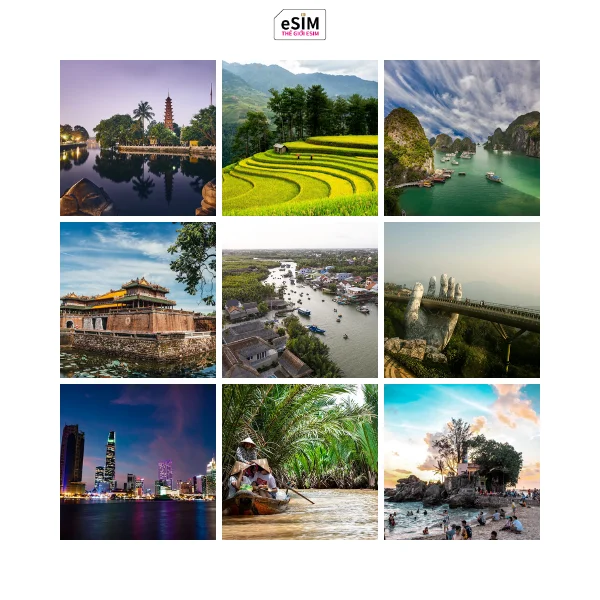
Getting ready for Vietnam? Discover 10 unmissable places, the best time to visit, and top experiences, all with seamless connectivity. A trip to Vietnam is much more than a simple holiday—it is a journey into a country of striking contrasts, where centuries-old traditions coexist with rapidly developing modern cities. Every region, every landscape, and every city tells its own unique story, offering travelers a rich and diverse experience. From the lively and colorful chaos of Hanoi’s streets to the serene rice terraces of Sapa, from the dramatic emerald waters of northern bays to the sun-soaked tropical beaches in the south, Vietnam is filled with unforgettable scenery. Add to that the warmth of the local people, world-famous cuisine, and very affordable travel costs, and it becomes clear why Vietnam is a destination that appeals to every type of traveler.
When to Go: The Best Time to Visit Vietnam
Vietnam’s climate varies significantly from north to south. The country has a predominantly tropical climate influenced by monsoon seasons, so weather conditions depend heavily on the region you plan to visit.
-
Northern Vietnam (Hanoi, Halong Bay, Sapa):
This area has a cooler climate compared to the rest of the country. Winters, from November to April, are generally dry and pleasant, while summers, from May to October, are hot, humid, and rainy. -
Central Vietnam (Hue, Hoi An, Da Nang):
The dry season typically lasts from February to August. From September to November, the region experiences heavy rainfall and occasional flooding. -
Southern Vietnam (Ho Chi Minh City, Mekong Delta, Phu Quoc):
Warm temperatures prevail year-round. The dry season runs from December to April, while the rainy season lasts from May to November.
If you are planning to explore multiple regions of Vietnam, the best overall time to visit is from February to April, when weather conditions are generally favorable across the country.
Top 10 Places to Visit in Vietnam
Choosing only ten destinations in Vietnam is challenging, as every region offers something special. However, the following places are considered absolute must-sees.

Hanoi
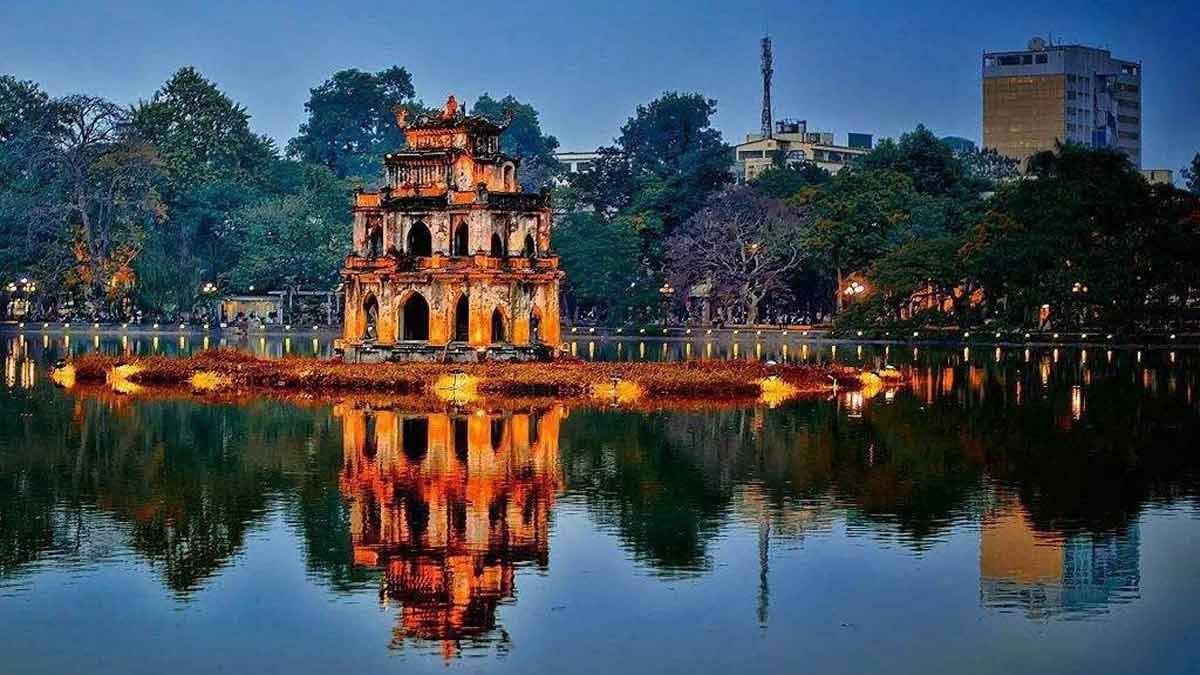
Vietnam’s capital is the perfect introduction to the country’s culture and history. Hanoi’s Old Quarter is a vibrant maze of narrow streets filled with motorbikes, street vendors, and incredible local food.
Highlights include Hoan Kiem Lake, the Temple of Literature, and the Ho Chi Minh Mausoleum. Hanoi also serves as an excellent base for trips to Sapa or Halong Bay.
Halong Bay
A UNESCO World Heritage Site, Halong Bay is famous for its thousands of limestone islands rising dramatically from emerald-green waters. A cruise—especially an overnight one—is the best way to admire the scenery, explore caves, and visit floating villages. Kayaking is also popular for those seeking adventure.
Sapa
Located in northern Vietnam, Sapa is surrounded by breathtaking rice terraces and ethnic minority villages. It is ideal for trekking and cultural encounters with Hmong and Dao communities. Thanks to its higher elevation, Sapa enjoys cooler temperatures year-round, making it especially appealing to nature lovers.
Ninh Binh
Often referred to as “Halong Bay on land,” Ninh Binh is known for its limestone formations, ancient temples, and scenic boat rides through rice paddies and caves. Don’t miss Trang An or Tam Coc, the Hang Mua viewpoint, and the historic Hoa Lu temples.
Hue
Once the imperial capital of Vietnam, Hue retains a refined and historic atmosphere. The Citadel, including the Forbidden City and royal tombs of the Nguyen dynasty, is a UNESCO World Heritage Site. The Perfume River, especially at sunset, adds a romantic touch to the city.
Hoi An
Hoi An is one of Vietnam’s most charming towns. Its well-preserved Old Town glows each evening with colorful lanterns. The city is famous for custom tailoring, where clothes can be made in just a few hours, and for local dishes such as Cao Lau. An Bang Beach is nearby for a relaxing seaside escape.
Da Nang
A modern coastal city, Da Nang offers a balance of beaches, culture, and urban life. Visit the Marble Mountains, Dragon Bridge, and the iconic Golden Bridge at Ba Na Hills. Da Nang also makes a great base for visiting Hoi An or the My Son Sanctuary.
Ho Chi Minh City (Saigon)
Vietnam’s largest city is energetic and cosmopolitan, blending skyscrapers with colonial architecture. Key attractions include the War Remnants Museum, Notre Dame Cathedral, and Ben Thanh Market. From here, travelers can explore the Cu Chi Tunnels or take trips to the Mekong Delta.
Mekong Delta
The Mekong Delta is a network of rivers, canals, and floating communities. Boat tours reveal floating markets, coconut groves, stilt houses, and daily rural life. It’s an immersive way to experience southern Vietnam and its unique cuisine.
Phu Quoc Island
For those seeking relaxation, Phu Quoc is the perfect destination. This tropical island boasts white sandy beaches, clear turquoise waters, and high-end resorts. Visitors can snorkel, explore local farms, or simply unwind with spa treatments.
Top 10 Experiences Not to Miss in Vietnam
-
Ride a cyclo through Hanoi’s Old Quarter
-
Enjoy a freshly prepared bowl of Pho at a street stall
-
Walk across the Golden Bridge at Ba Na Hills
-
Take a Vietnamese cooking class in Hoi An
-
Trek through rice terraces in Sapa
-
Kayak through caves in Halong Bay
-
Visit floating markets in the Mekong Delta
-
Travel overnight by train from Hanoi to Hue
-
Relax with a traditional Vietnamese massage
-
Swim in the clear waters of Phu Quoc
How to Stay Connected in Vietnam: Internet Options Abroad
Staying connected while traveling in Vietnam is essential. Mobile internet helps you navigate, translate signs, book tickets, read reviews, and avoid tourist traps.
There are several options for internet access:
-
International roaming: Convenient but often expensive and limited
-
Local SIM cards: Available at airports and shops, but setup and registration may take time
-
Vietnam eSIM: The most convenient solution, offering affordable and flexible data plans that can be activated instantly
Why Choose a Vietnam eSIM?

A Vietnam eSIM allows you to arrange your data plan before departure and activate it immediately upon arrival—without roaming fees or delays.
There is no need to remove your physical SIM card. Modern smartphones support eSIM technology, enabling you to install a data plan simply by scanning a QR code.
Before purchasing, always ensure your device supports eSIM by checking the list of compatible devices.